In conversation with Tim Kolmus: “An honest story makes for the best match”

Good collaboration doesn't start with a vacancy or a CV, but with an open conversation. What does an employer need? What tasks need to be performed? And what support might be required to allow a candidate to truly shine? As an Account Manager for Employer Services at Werkse! Tim Kolmus discusses these questions with employers daily.
According to Tim, a successful placement is achieved primarily when both sides know where they stand from the start. Honesty and transparency play an important role in this.
"Werkse! “The employer has a goal and the employer has a goal. That is why it is important to paint as realistic a picture as possible together,” says Tim Kolmus.
Looking at what is really needed
Every employer, workplace, and candidate is different. That is why Tim does not immediately start by proposing a candidate. First, he wants to understand what is going on within an organization. What need lies behind the vacancy? What does the work demand of an employee? And what is possible within the team if someone needs extra guidance?
By discussing this, a clearer picture emerges of what a suitable collaboration might entail. In doing so, Tim looks not only at work experience or diplomas, but also at motivation, potential, and talents.
“Personal contact remains incredibly important. By truly engaging in a conversation, you discover what an employer needs and where opportunities lie,” says Tim Kolmus.
Such a conversation can also lead an employer to view a vacancy or work process differently. Perhaps someone does not need to perform all duties independently immediately. Sometimes tasks can be distributed differently, or a candidate can further develop themselves in the workplace. The goal is not to place someone as quickly as possible, but to explore together what is feasible and suitable.
Also attention to what is needed
When presenting a candidate, Tim does not only discuss the strengths. He also identifies what someone still needs to learn, where guidance is desired, or which points an employer should be aware of.
“When we propose a candidate, we don't just talk about what is going well. We also discuss where extra guidance might be needed or what an employer needs to take into account.”
According to Tim, that honest story is not an obstacle, but rather an important prerequisite for a good start. The employer can determine in advance what is possible within the organization. At the same time, the candidate gains clarity regarding expectations and support in the workplace.
By being open upfront, surprises can be prevented later on. It increases the chance that someone not only starts, but also stays in their place in the long term.
Making a conscious choice together
Werkse! and the employer each have their own responsibility. Werkse! wants to offer people opportunities to develop themselves and participate in the labor market. The employer is looking for someone who fits the job, the team, and the organization. According to Tim, these goals do not have to conflict with each other.
It is precisely by openly discussing the various interests that a realistic match can be achieved. Sometimes the answer is immediately clear. In other cases, more time or a different approach is needed.
You explain what the possibilities are, but also what needs attention. Then, together, you ask the question: shall we proceed with this or not?
Even if the answer at that moment is 'no', the conversation can be valuable. The employer then has a better understanding of what is possible and Werkse! gets a clearer picture of the organization. That forms a good basis for a next vacancy or candidate.
Trust as the basis for cooperation
A transparent approach contributes to trust. The employer knows that not only the positive aspects are mentioned. The candidate is given a fair chance and is not proposed for a position that is not a sufficient fit.
Tim therefore views his role more broadly than just filling vacancies. He wants to get to know employers, think along with them regarding their staffing needs, and explore together where there is room for talent. This can involve direct placement, but also a first step towards more inclusive employership.
If everyone knows in advance what is at play and what is needed, the best foundation is created to enable someone to start successfully.
That personal contact remains important during the collaboration as well. After all, a lasting match is not created solely on paper. It grows in practice by honoring agreements, staying in touch, and paying attention to both the employer and the candidate.
Tim in one sentence
An honest and transparent conversation is the basis for a good match.
Want to know more?
Curious how Werkse! Would you like us to help you think through your staffing needs? Our account managers would be happy to discuss the possibilities within your organization.
Would you like to receive the latest news?
-
Share article

Want to know more?
-
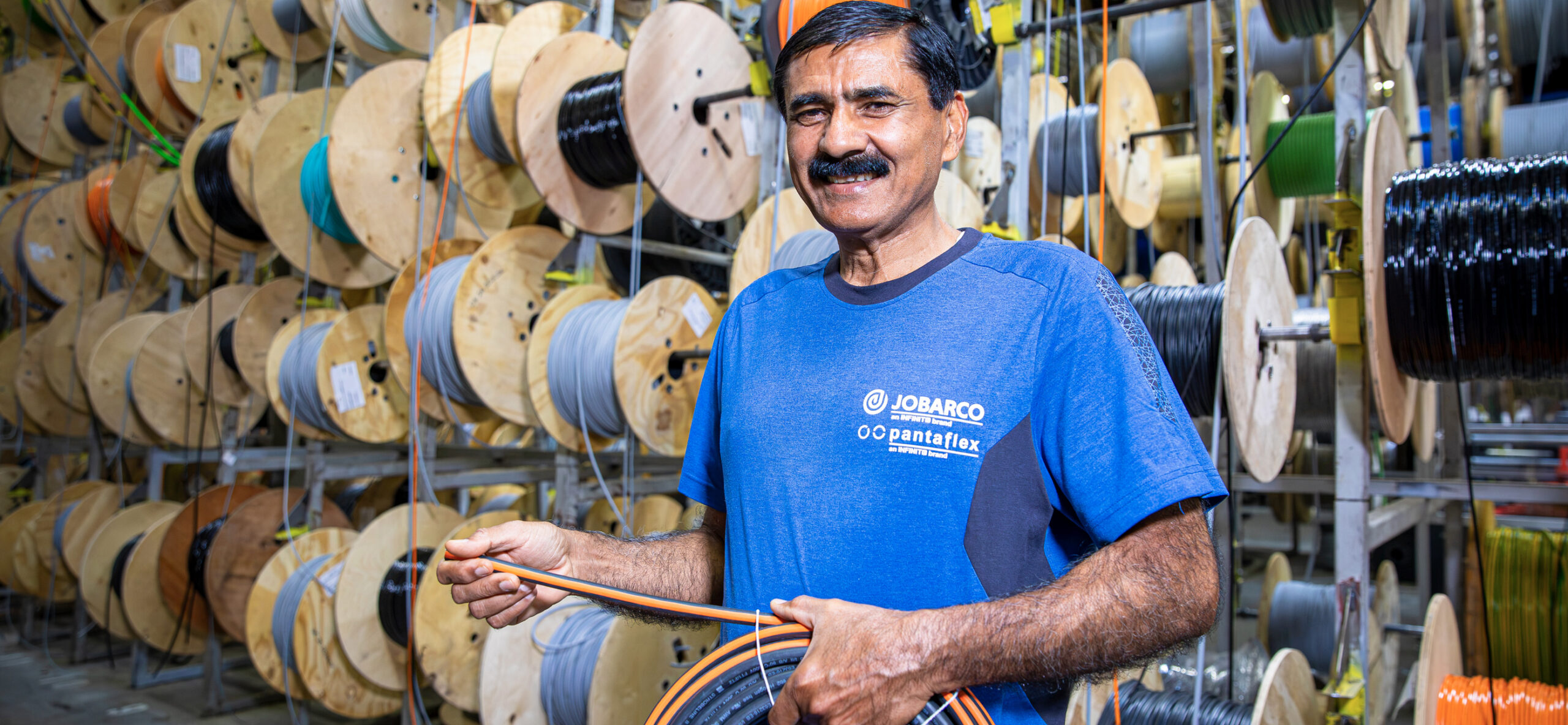
At Jobarco, talent is given the space to grow.
-
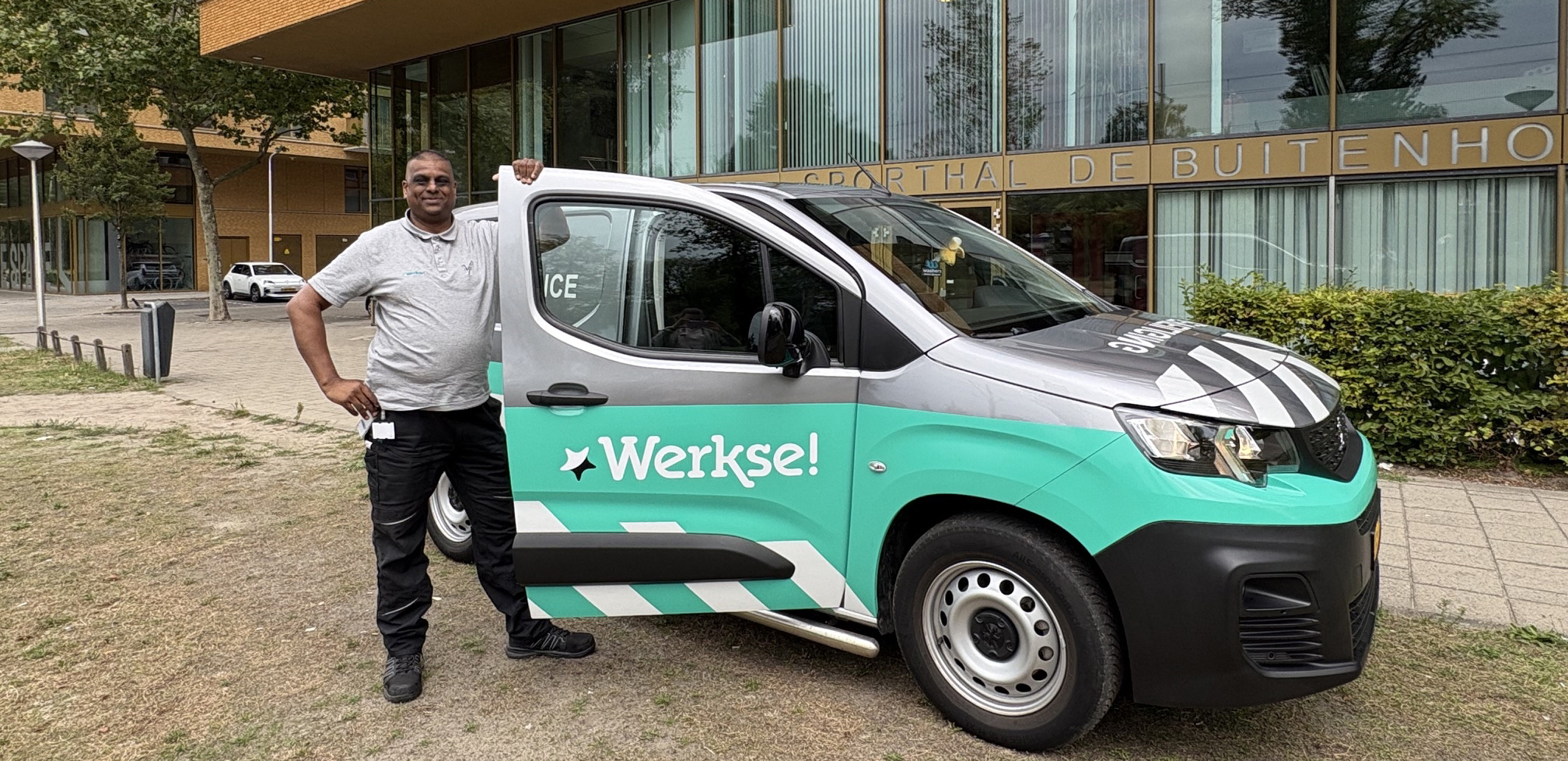
Extra eyes in the neighborhood
-
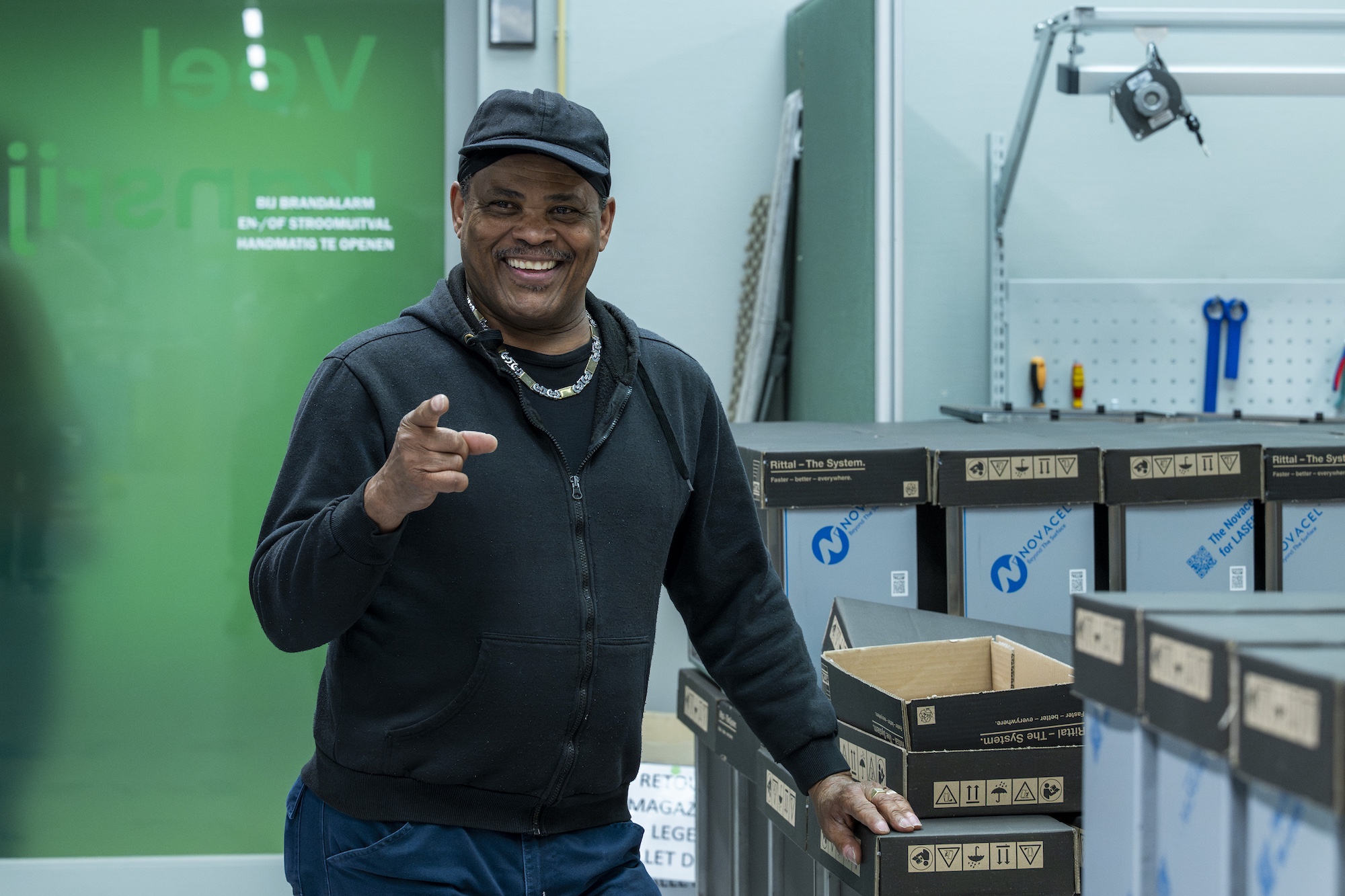
Lifelong learning with Louis Martis
-
I have gained more courage and self-confidence
-
Volunteer work grows into a paid position
-
Checking in bikes and building LEGO
-
Working in the bicycle parking suits me.
-
I am proud of myself
-

From monuments to people: Elnaz finds her place in social work
-
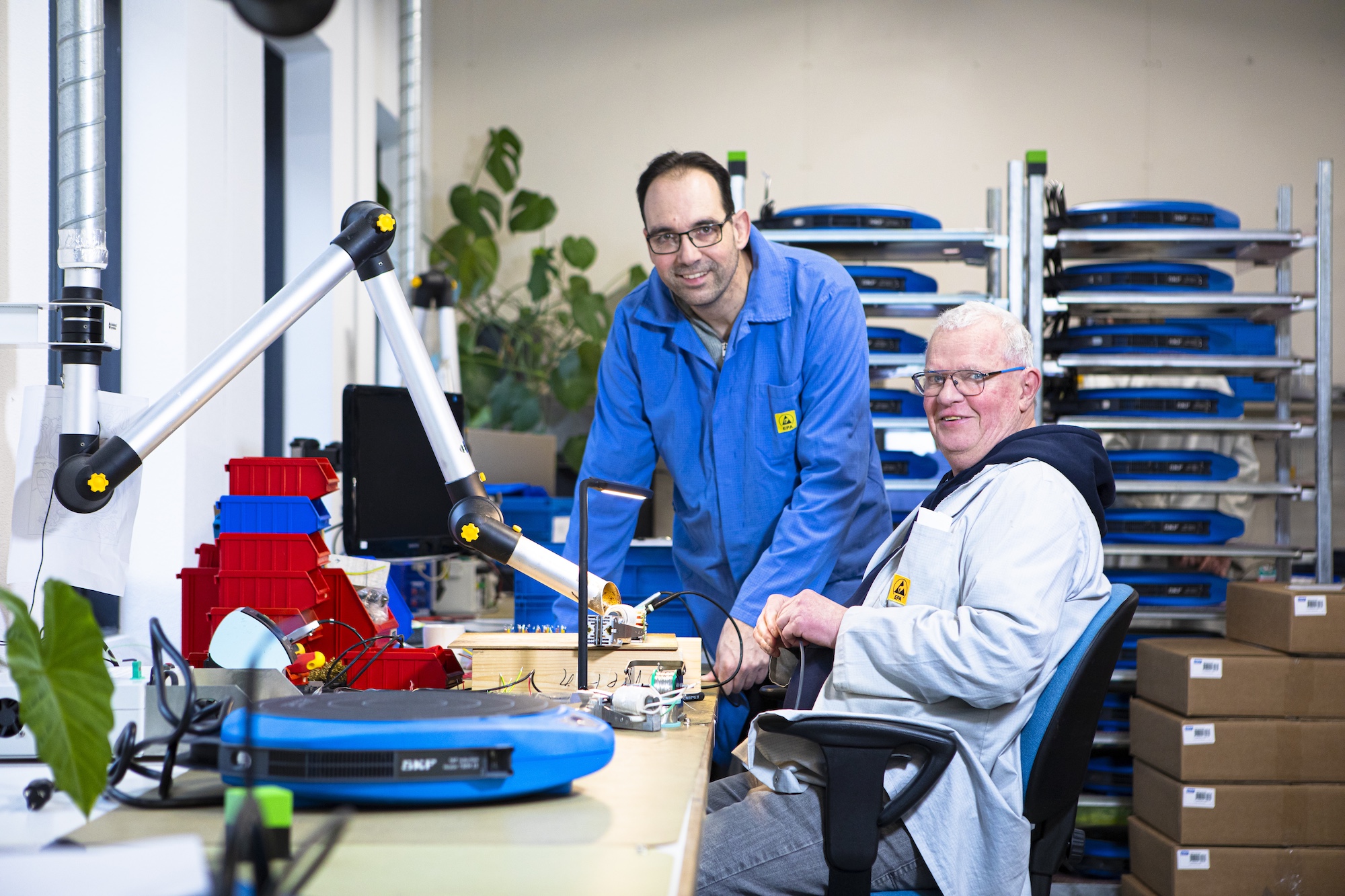
Working together on high-quality precision products


