From monuments to people: Elnaz finds her place in social work

Elnaz Heidarpour works at UB Works, where she guides status holders. Her way to this job and building a new life in the Netherlands was anything but easy. “I have a contract now. It feels like a win.”
Elnaz is from Iran. There she studied at the University of Art and Architecture, specialising in restoring historical monuments. “My work was about designing, renovating and cultural projects. Very different from what I’m doing now.”
When she came to the Netherlands with her husband, her life changed drastically. “In the Netherlands, my marriage quickly fell apart. I had no papers, no money, no house. I sometimes slept with an acquaintance in Delft, but that was not always possible because of the rules for a residence permit.” After a difficult period in the homeless shelter, Elnaz – with the help of a good lawyer – received her residence permit.
Roof over her head
Slowly the basics came into order: a roof over her head, money for shopping. Now the job. “I have applied a lot for a lot of different things. Sometimes I was too old, sometimes the employment conditions were too bad. Or then I seemed to have found a job, but it didn’t go through at the last minute. ”
The biggest challenge? “The language, of course. But also finding work that fits my experience. In architecture, the rules are different in each country. I needed extra training, but I couldn’t handle it at the time.” Yet she took steps. “The lessons and courses of the civic integration program really helped me. And also the people of Werkse! Have guided me well. They understood me and had patience.”
Explaining rules
She herself found volunteer work as a social counsellor at the language school. She helped people with translations and explanations about rules. “I was happy to help people. Sometimes the rules in the Netherlands change and people don’t know what to do. I could explain to them what was going on and give advice.”
Then she got the opportunity to do an internship at UB Works. “Ironically, actually,” she laughs, “I was allowed to guide others to work, while I had not yet managed to find a job myself.” In her work, she uses many new skills. “I learned about Dutch laws and civil rights. I now better understand what the work culture is like here.” An important moment on her way to work: she discovered her passion for social work. “I want to help people, that makes me happy.” And after a successful internship, she now has a contract and is officially employed. “I feel useful and independent. I’m proud to have adapted to my new life.”
Work is something different from status
And her dreams in terms of work? “I want to do my job well. Maybe later I will start my own company in social services or a creative brand in my old field. I don’t know exactly what it will be.”
Based on her own experiences, Elnaz wants to give other status holders something important: “In the Netherlands, work is something different from status. Ask questions, be honest. In our countries we are sometimes afraid of the government, but here you can work with your contact person. That really helps!”
Do you want to receive the latest news?
-
Share article

Want to know more?
-
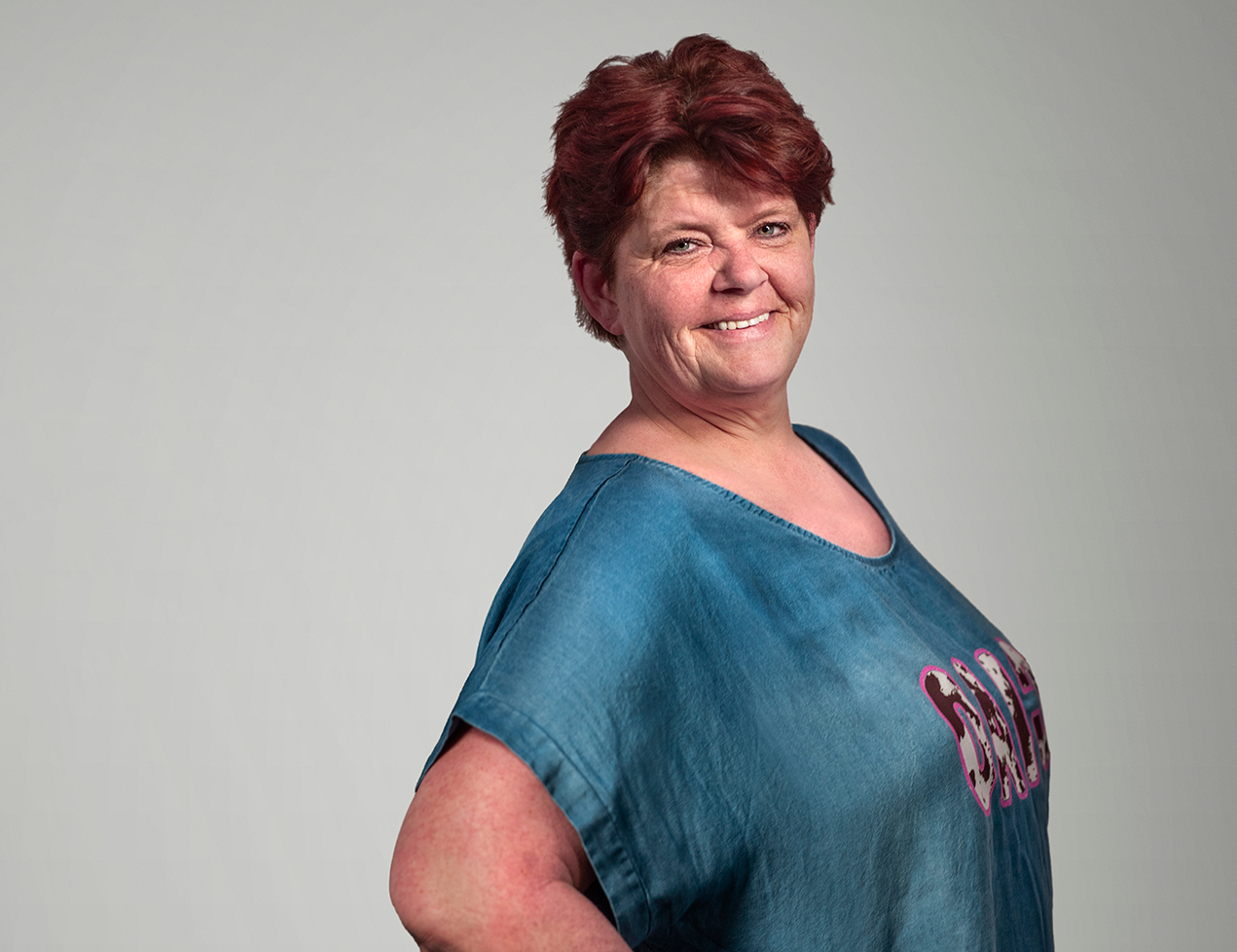
I am proud of myself.
-
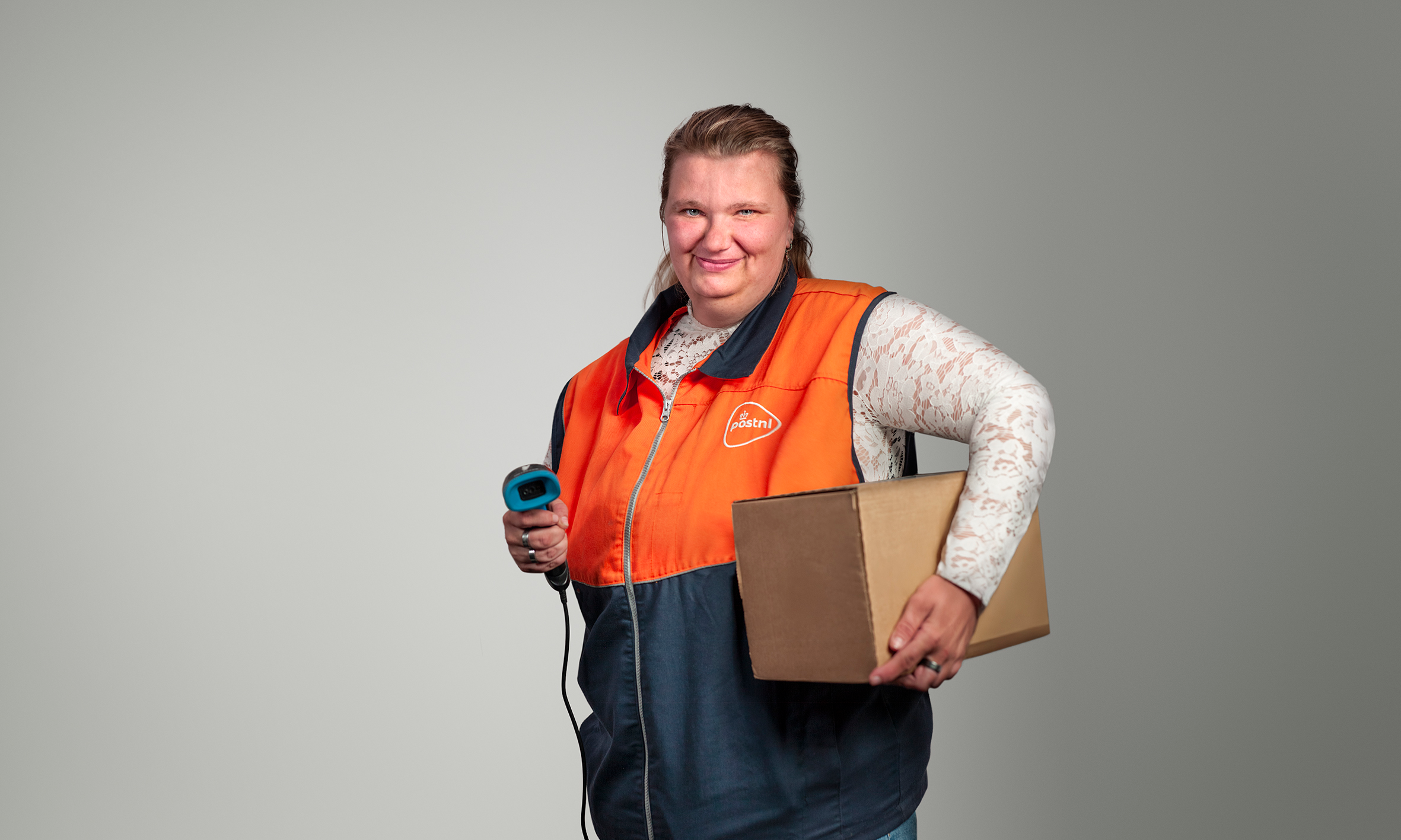
I never go to work grumpy
-
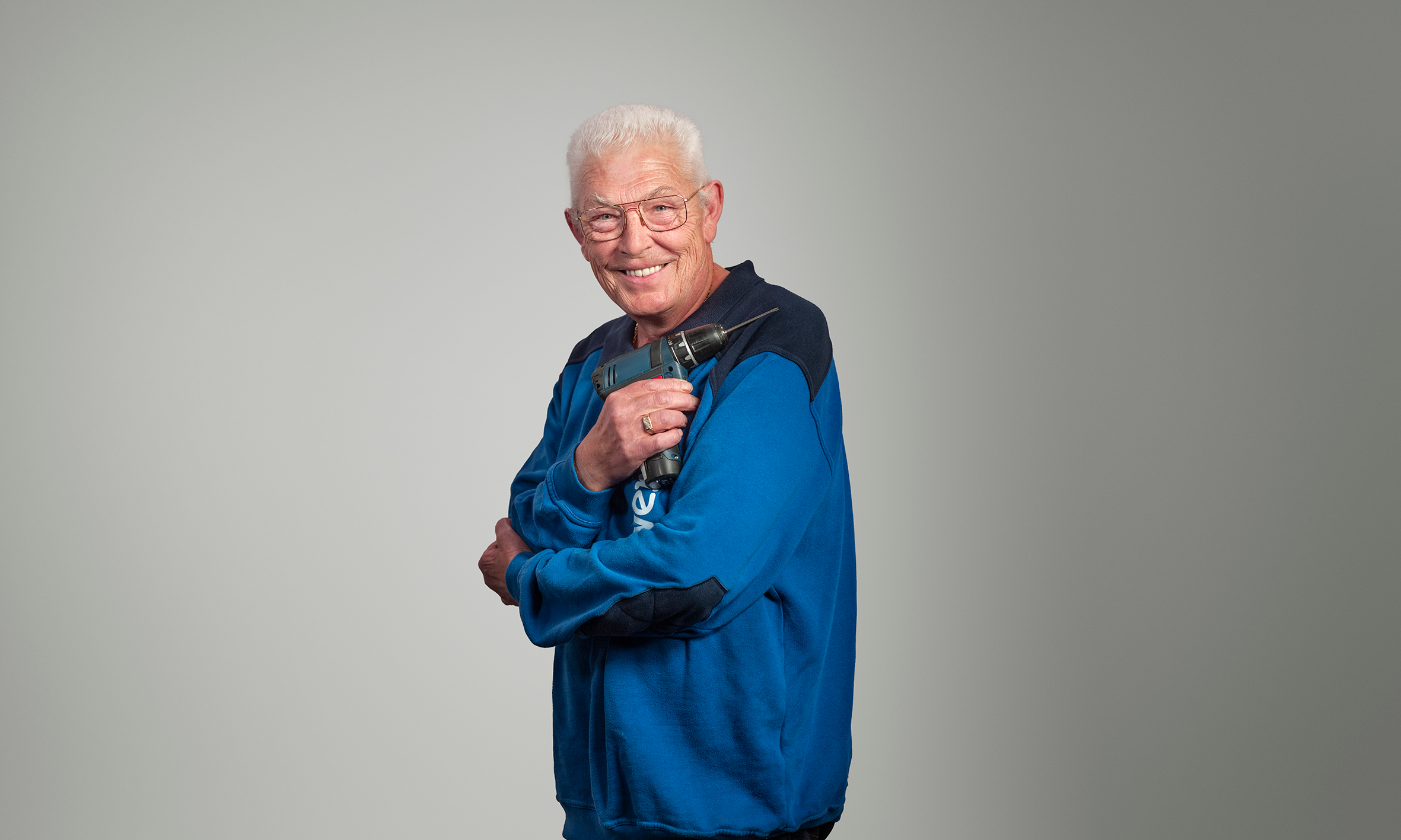
I am well guided here!
-
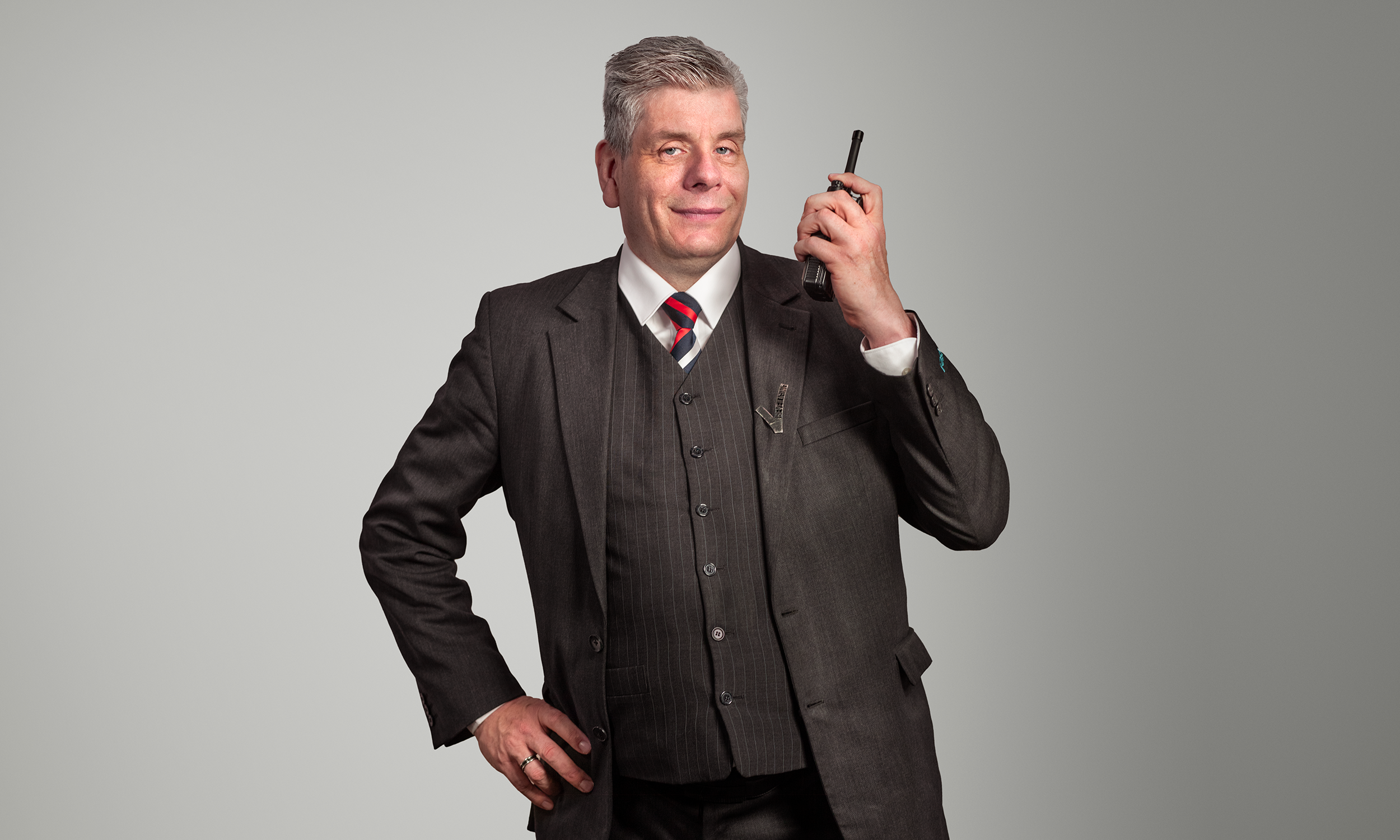
At home in security for almost thirty years
-
I feel very safe and comfortable here
-
Working with machines, I wanted that too!
-
You always learn something in this work
-
Without work I would feel very unhappy
-
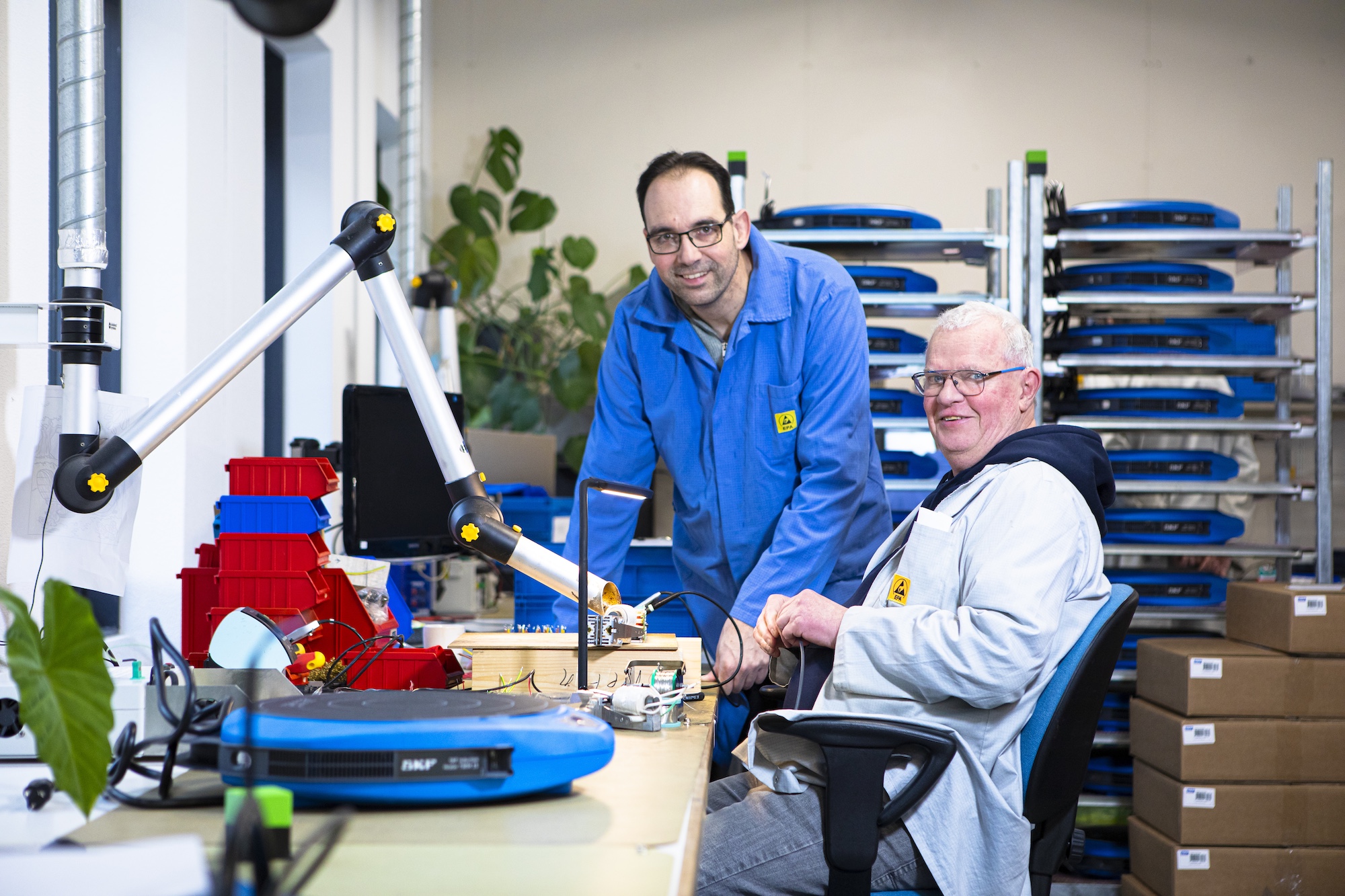
Working together on high-quality precision products
-
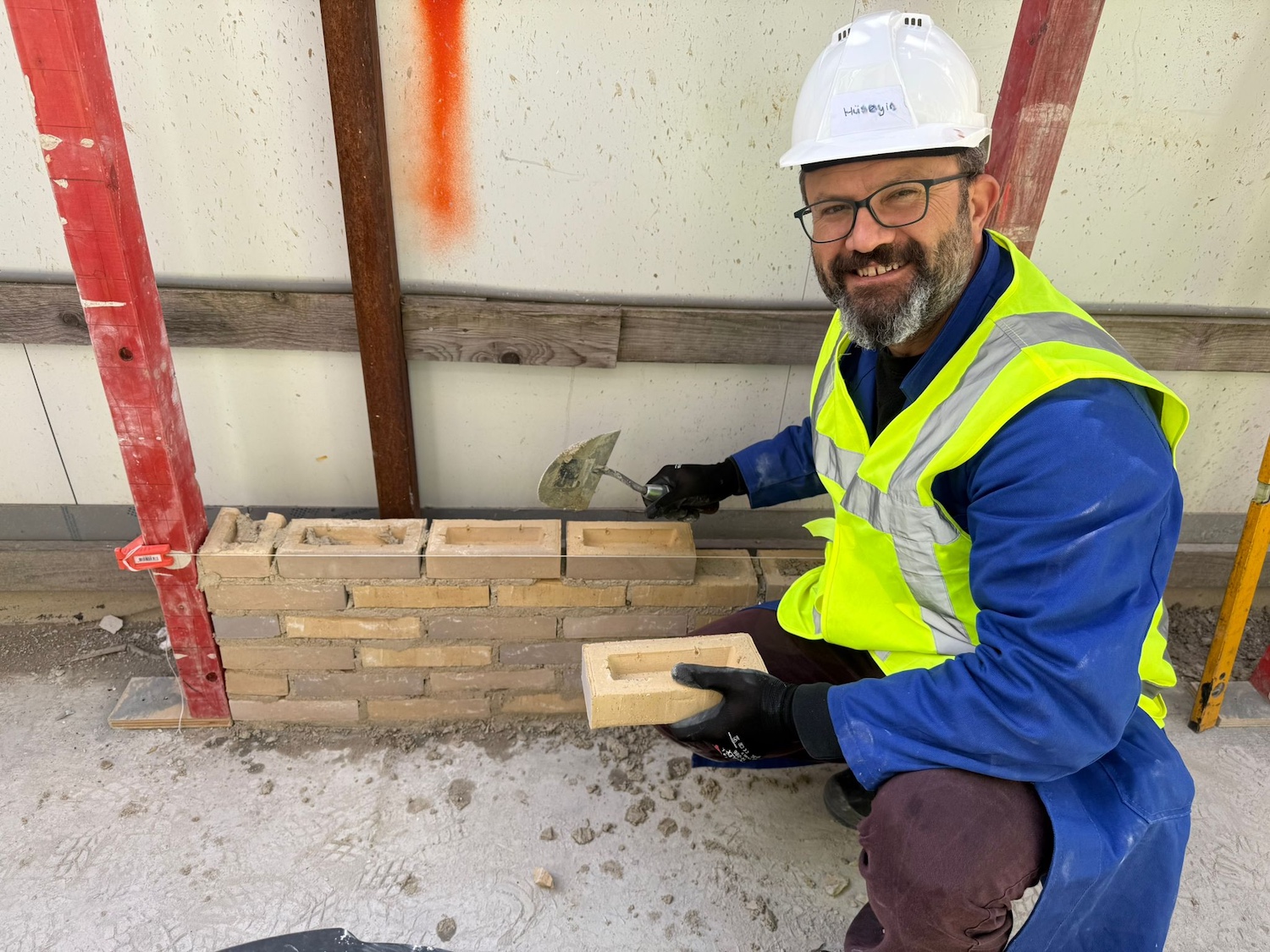
Hüseyin is building a future in construction


